

Opens in a new tab

Intestinal Flora Transplantation Clinician Interview with Dr. Tanaka “Thoughts on Intestinal Flora Transplantation”

At Symbiosis Institute, we are mainly engaged in research and development of transplantation of intestinal bacteria (plexus) (intestinal flora transplantation) under the theme of “coexistence and co-prosperity with microorganisms”. The actual transplants are performed on patients by clinicians who belong to the “Intestinal Flora Transplantation Clinical Study Group. Today, we bring you an interview with…

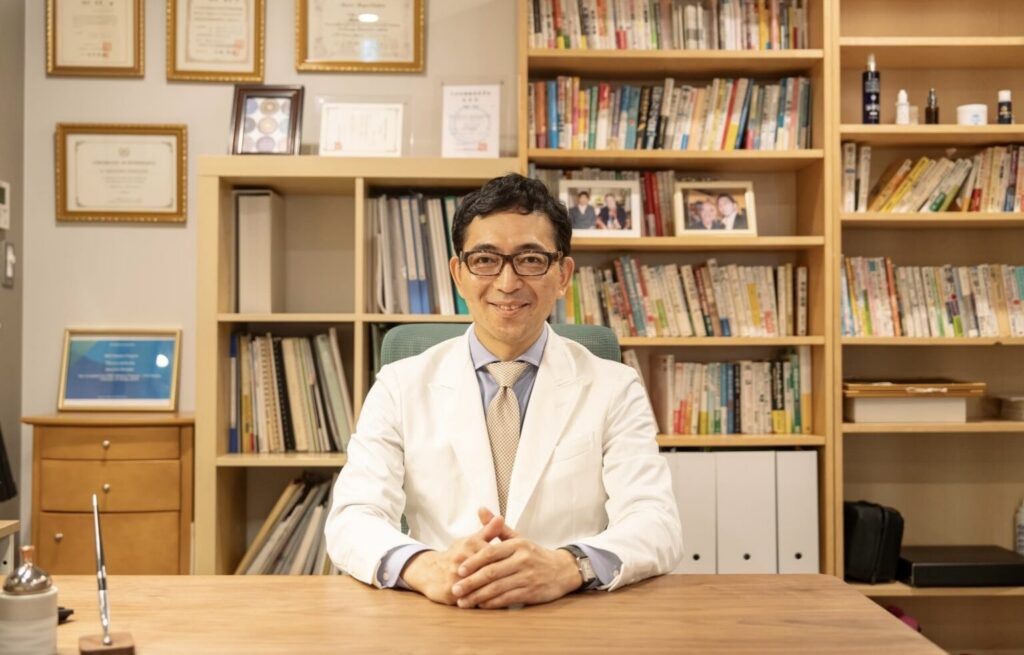
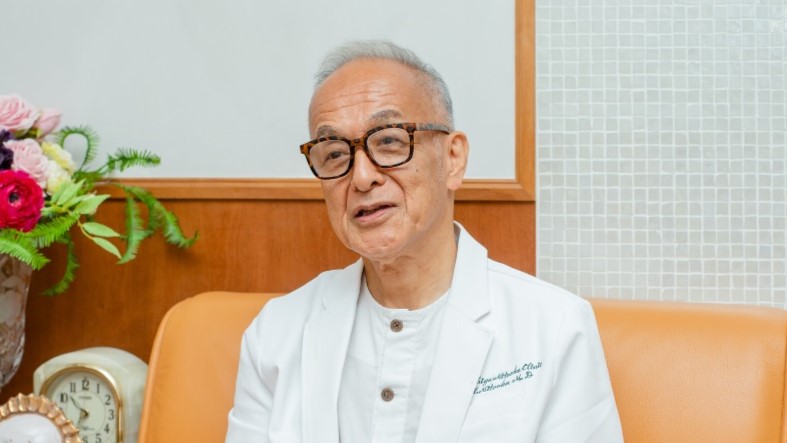
At Symbiosis Institute, we are mainly engaged in research and development of transplantation of intestinal bacteria (plexus) (intestinal flora transplantation) under the theme of “coexistence and co-prosperity with microorganisms”. The actual transplants are performed on patients by clinicians who belong to the “Intestinal Flora Transplantation Clinical Study Group. Today, we bring you an interview with Dr. Zen Tanaka, Director of Tanaka Clinic, who is also a trustee of the study group, among the ” affiliated medical institutions where intestinal bacteria (plexus) transplants are available”. * *What is referred to in the text as “Shimizu-style intestinal flora transplantation” is a transplantation using our method. (You can also watch the YouTube video at the bottom of this article.) Tanaka Clinic I have been researching, clinically and applying cancer (cancer) immunity for many years. I have long believed that intestinal immunity is very important for cancer treatment, but I have not been able to make good use of it. I have just encountered Shimizu-style intestinal flora transplantation and was struck by the thought that it could be used effectively for intestinal immunity, which I have long thought to be the case.
What are your thoughts on the transplantation of intestinal bacteria (flora)?

Of course, the most important things to do are to improve diet, nutrition, and living environment. However, even so, it is often the case that symptoms and illnesses are intractable and do not improve or are not cured. At that time, we believe that the transplantation of intestinal bacteria (plexus) is one important option and can be a fundamental solution to the disease.

What did you think when you learned about the transplantation methods recommended by the study group?

Compared to clinical trials conducted by various universities for inflammatory bowel disease, I was shocked to learn that the Shimizu-style intestinal flora transplantation has a much better implantation rate and an extremely short implantation speed.

What are the future possibilities for the transplantation of intestinal bacteria (flora)?

Currently in Japan, cancers, lifestyle-related diseases, autoimmune diseases, and mental illnesses continue to increase with the development of Western medicine. We have always thought that we must take some different countermeasures and approaches rather than the conventional ways of dealing with these diseases. The preventive medicine approach of improving diet, nutrition, and living environment is very important in terms of preventing disease. However, at the stage when a disease has already occurred, it is very important to reset the internal environment as quickly as possible. In this case, we believe that the transplantation of intestinal bacteria (plexus) is a very promising option as a treatment for various diseases such as cancer, autoimmune diseases, and psychiatric disorders.

What are the future activities of the study group?

We would like to spread the word to the general public as well as medical professionals that this treatment is an option. To this end, we would like to actively conduct clinical research, present at conferences and write papers, as well as hold seminars and lectures for the general public. For a transplant consultation with Tanaka Clinic (Osaka, Japan), please visit their website at .

Related Articles

  • 城谷昌彦医師|IBS・潰瘍性大腸炎のQOLを変えるFMT治療の現在地

    日々の診療の中で、従来の標準治療だけでは十分に対応しきれない慢性的な消化器疾患。特に、潰瘍性大腸炎や過敏性腸症候群(IBS)を患う人々は、検査数値や画像所見だけでは見えにくい深い不安と、生活上の大きな制限を抱え続けている。 城谷バイオウェルネスクリニックの城谷昌彦医師が「腸内フローラ移植(FMT)」という新たな治療領域に関心を持った大きなきっかけ―――それは、他でもない先生自身が回腸嚢炎の治療法の一つとしてFMTを自ら受けた経験にあった。 自ら患者としてFMTを体験した医師は、臨床でNanoGAS®-FMT(水素ナノバブル水を用いた腸内フローラ移植)をどう活かし、患者の人生をどう変えているのか。そして、なぜ今、期待ばかりをあおることなく「慎重なエビデンスの検証」を訴え続けるのか。 「医療の成果は、単に症状や検査数値の改善だけではありません。患者さんが本来取り組みたかったことに再び向き合えるようになること、将来に前向きな気持ちを持てるようになることこそが、非常に大切な成果なのです。」 城谷医師の医療哲学と、2026年9月に開催される「第10回 一般財団法人腸内フローラ移植臨床 学術大会」に向けた見どころに迫る。 数値や画像には映らない「患者の不安」に向き合う 自らがFMTを受けた経験―――腸内細菌という「切り札」 「私自身、回腸嚢炎に対する治療法の一つであるFMTを大学の治験を通じて受けたことが、腸内フローラ移植に関心を持つ大きなきっかけでした」と、自らの患者体験と、消化器専門医としての深い葛藤を振り返る。 日々の診療において、従来の標準治療だけではどうしても対応しきれない患者の症状や経過に向き合うことは決して少なくない。中でも、潰瘍性大腸炎やIBS(過敏性腸症候群)の患者は、内視鏡検査や血液検査の数値だけでは測れない「いつお腹が痛くなるか分からない」「外出や外食が怖い」といった日常生活上の制限や精神的な不安を常時抱えている。 「腸内フローラを整えることは、単なる消化器症状の改善にとどまらず、患者さんのQOL(生活の質)を根本から向上させる可能性を秘めている」。自らの体験と臨床での実感から、腸内細菌へのアプローチを従来の治療を補完する「切り札」の一つとして見出すようになった。 NanoGAS®-FMTという新たな選択肢の可能性 大学の治験でFMTを受けたものの、大きな改善は見られなかったが、その可能性を感じることはできたという。数あるFMTの中でNanoGAS®-FMTを導入した理由は、「臨床現場での扱いやすさ」と「患者への負担軽減」にあったという。 従来の移植法と比較しても、患者への心身の負担に配慮しながら実施できる可能性を感じたことが大きな決定打となった。これまで既存の治療法を試しても十分な改善が得られなかった患者に対して、「腸内環境の再構築」という全く新しい選択肢を提示できるようになった意義は極めて大きい。 しかし、城谷医師は戒めを忘れない。 「一方で、FMTを『万能の治療法』のように扱うべきではないとも考えています。すべての患者さんに同じ結果が出るわけではありませんし、適応の見極め、既存治療との組み合わせ、そして治療前後の評価は極めて慎重に行う必要があります」 将来への不安を抱えた若い潰瘍性大腸炎患者の劇的な変化…
If you are concerned about your intestinal flora, start by consulting us.

Request FMT Treatment