Intestinal Flora Transplantation Clinician Interview with Dr. Jotani “Thoughts on Intestinal Bacteria (Flora) Transplantation”
At Symbiosis Institute, we are mainly engaged in research and development of transplantation of intestinal bacteria (plexus) (intestinal flora transplantation) under the theme of “coexistence and co-prosperity with microorganisms”. The actual transplants are performed on patients by clinicians who belong to the “Intestinal Flora Transplantation Clinical Study Group. Today we bring you an interview with…
At Symbiosis Institute, we are mainly engaged in research and development of transplantation of intestinal bacteria (plexus) (intestinal flora transplantation) under the theme of “coexistence and co-prosperity with microorganisms”.
The actual transplants are performed on patients by clinicians who belong to the “Intestinal Flora Transplantation Clinical Study Group.
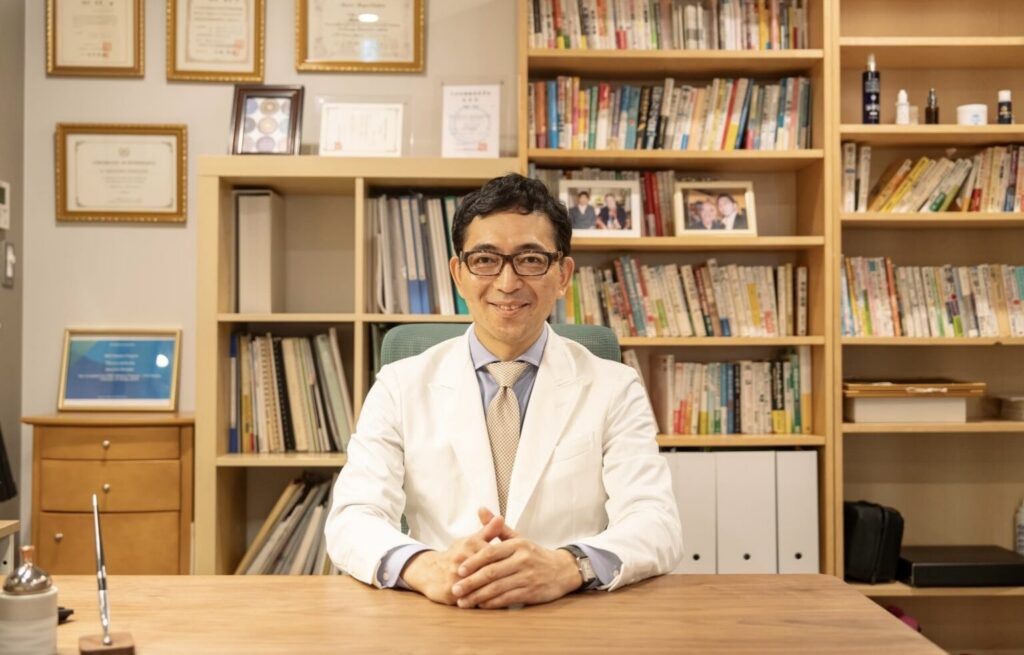
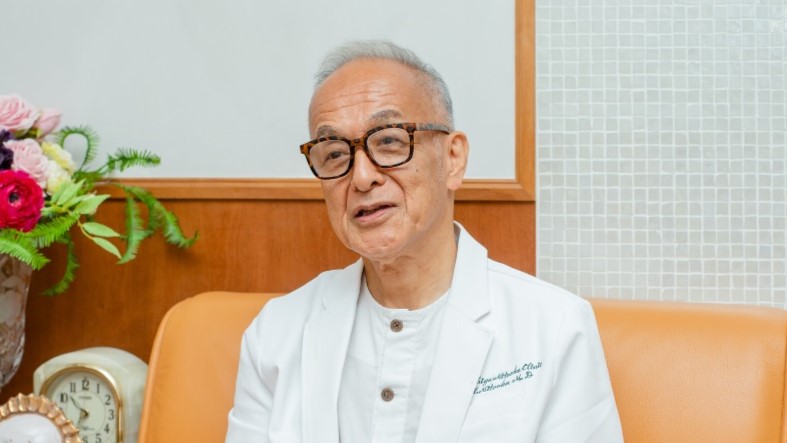
Today we bring you an interview with Dr. Masahiko Shirotani, Director of Luke’s Ashiya Clinic, who is also the Executive Director of the Study Group, among the ” affiliated medical institutions where intestinal bacteria (plexus) transplants are available”.
Please click here to view the video interview with Dr. Shirotani , “Thoughts on the Establishment of the Study Group.
*What is referred to in the text as “Shimizu-style intestinal flora transplantation” is a transplantation using our method.
(You can also watch the YouTube video at the bottom of this article.)
What is the possibility of intestinal bacteria (plexus) transplantation and ulcerative colitis?
It has long been well understood that patients with ulcerative colitis have a disturbed intestinal flora balance.
However, until now, there has been no solution as to how to correct it.
Since then, stool transplants have been performed in the United States for more than a decade, and some patients who have received transplants have reported improved health, and the possibility of transplanting intestinal bacteria (plexus) has suddenly become the focus of much attention.
Clinical studies are being conducted at universities in Japan, but I realized that it is still an unknown area, as some people’s health actually improves while others do not.
As a patient with ulcerative colitis, I also received a stool transplant at a university, but unfortunately in my case it was not that effective.
After a while, I learned about the Shimizu-style intestinal flora transplantation. I heard that the intestinal environment had been changed at a high rate and that many people were getting well not only with ulcerative colitis but also with various other diseases, so I felt that this was a really promising method.
When I actually underwent the Shimizu-style intestinal flora transplantation, I felt a change in my body immediately after receiving the transplant. Because I myself received the transplant and experienced the effects, I was convinced that this was a promising treatment method.
As a research group, we believe that we can be of help not only to those with ulcerative colitis, but also to those with various other intractable diseases that are troubling them.
We would like to continue our research on a daily basis.
What is the relationship between intestinal flora balance and nutrition?
In the future, we hope to offer patients dietary guidance before and after transplantation, along with the transplantation of intestinal bacteria (plexus).
Before transplantation, we would like to provide patients with the vitamins and minerals necessary to repair damaged mucous membranes in the intestines and to maintain intestinal balance. Then, after transplantation, we would like to provide each patient with tailor-made dietary guidance.
A well-balanced diet is very important to create an environment in which the transplanted flora is happy.
By proposing this in conjunction with nutritional therapy, we expect that the number of transplants will be reduced and the burden on the patient will decrease if the intestinal environment is improved. This, of course, requires the cooperation of patients.
This is still an uncharted area, but we hope to realize this through continued research.
Tell us about Flora Bank.
Currently, transplantation of intestinal bacteria (flora) at university hospitals is performed using flora donated by family members within the second degree of kinship. We believe that in many cases, the use of flora limited to family members is not expected to be effective.
The flora bank of the study group is provided by the general public. The donor bank is established by receiving stools from people with a healthy flora balance who have passed a detailed examination.
Some donors are called ” super donors” and have flora that can improve physical ailments.
Since we regularly test for infections and other problems, our system is designed to provide our patients with high quality flora in a safe environment.
Some of the transplant applicants are elderly or small children with special flora balance.
In order to further enhance the flora bank, we may ask more people with special flora balance, including the elderly and young children, to donate their flora in the future.
For a transplant consultation at Luke’s Ashiya Clinic (Hyogo, Japan), please visit the Luke’s Ashiya Clinic website at