

What is your pet’s intestinal flora?
In modern pet care, the term “intestinal flora” has already attracted attention among many veterinarians and pet owners.
In particular, science is beginning to show that the balance of intestinal flora is key to maintaining the health and preventing disease in dogs and cats.
Intestinal flora refers to the group of bacteria that live in the intestines, and the intestinal environment is made up of a balance of good bacteria, bad bacteria, and opportunistic bacteria.
In pets, this balance is greatly affected by factors such as age, diet, stress, medication use, and environmental changes.
This time, we will explain everything from basic knowledge about the intestinal environment to the latest transplant therapies for veterinary professionals and pet owners who are interested in pet intestinal flora, and finally introduce some notable academic conferences.

Basic Concepts of Intestinal Flora
The intestinal flora is a diverse collection of microorganisms that live on the inner wall of the intestinal tract.
Dogs and cats are home to over 1,000 different types of bacteria, which play a variety of roles, including digestion, immunity, vitamin production, and inflammation control.
for example:
- Bifidobacteria and Lactobacillus aid digestion and protect the intestinal barrier
- Clostridium produces short-chain fatty acids and activates intestinal immunity
- Bad bacteria (e.g., some E. coli bacteria) can cause diarrhea and chronic inflammation if they grow excessively.
Especially when they are puppies or kittens, their intestinal flora is underdeveloped and gradually stabilizes through breast milk and the surrounding environment.
This initial formation has a significant impact on your subsequent physical condition and immunity.
The impact of intestinal flora on pet health
An imbalance in the intestinal flora can have a variety of negative effects on your pet’s overall health.
For example:
- Chronic loose stools and diarrhea: Indigestion caused by the predominance of bad bacteria after antibiotic use
- Dermatitis and itching: Intestinal imbalance causes immune overreaction
- Loss of appetite and energy: Due to the “gut-brain axis” in which the intestines and the brain are closely related, stress affects the intestines, and conversely, intestinal disorders affect mood.
Furthermore, recent research suggests that intestinal flora is also involved in the production of neurotransmitters and may be related to emotional anxiety and excitement in dogs and cats.
The importance of maintaining a balanced intestinal flora
A healthy intestinal flora is maintained by an ideal ratio of good, bad and opportunistic bacteria.
If this is disrupted, the immune system can become overactive or weakened, causing a variety of illnesses.
for example:
- Chronic constipation in elderly dogs: As they age, intestinal diversity decreases and bowel movements become irregular.
- Cats with allergies: changes in diet and environmental stress can cause imbalances in their intestinal bacteria
- Weight gain due to hormonal changes after spaying: Effects of gut bacteria on energy metabolism are thought to be part of the cause
また、ストレスと腸内環境の相互作用も重要です。
Small changes in daily life, such as travel or being away from home, can often disrupt a pet’s intestinal flora.
Intestinal flora and pet health issues
Diseases caused by intestinal flora disorders
An imbalance in the gut flora (dysbiosis) increases the risk of many diseases.
For example:
- Inflammatory bowel disease (IBD): Harmful bacterial overgrowth in the intestines leads to chronic inflammation
- Obesity: The effect of an excess of gut bacteria with high energy extraction capacity
- Liver disease: Transfer of harmful substances from the intestinal tract to the liver leads to impaired liver function
These diseases are not simply intestinal problems but have the risk of spreading to the entire body, so taking care of the intestinal environment is extremely important as preventive medicine.
The relationship between intestinal flora and allergies
The balance between the intestinal environment and the immune system is closely linked.
The action of good bacteria suppresses excessive immune responses (i.e. allergies).
- Atopic dermatitis in early spring: Cases where symptoms were alleviated by taking specific lactic acid bacteria
- Dogs with food allergies: Elimination diet and beneficial bacteria supplements improve diarrhea and itching
- Cats with recurring otitis externa: Symptoms reduced by reviewing the intestinal environment
In this way, the idea that skin and ear problems can be regulated from the intestines is becoming more widespread.
The relationship between intestinal flora and pet stress
In recent years, the keyword “gut-brain correlation” has been attracting attention in human medicine, and it is known that mental stress affects the intestinal environment.
In fact, it has been discovered that this phenomenon can also be seen in pets such as dogs and cats.
Pets are very sensitive to changes in their environment and their relationships with their owners, and there have been many reported cases where this stress has led to disruptions in their intestinal flora. Examples include the following:
[Specific examples of how stress has had a negative impact on intestinal flora]
- A cat that had repeated bouts of diarrhea immediately after moving: While getting used to its new living environment, the cat suffered obvious indigestion, and a flora test showed a sharp decline in beneficial bacteria.
- Dogs left alone for long periods of time: Stress-related loose stools were observed, and the proliferation of bacteria that cause inflammation in the intestines was confirmed.
- A kitten that had been bullied in a multi-cat environment: Its appetite had always been poor, its stools had an abnormal smell and shape, and the flora was seriously imbalanced.
Under these circumstances, both the “diversity” and “proportion of good bacteria” of the intestinal flora decrease, and opportunistic and bad bacteria become dominant.
As a result, digestion and absorption become unstable, increasing the risk of developing immune hyperactivity, inflammation, and even chronic gastrointestinal problems.
Diversity of intestinal flora and immunity
The rule of “diversity = health” applies not only to humans but also to pets.
The coexistence of diverse intestinal bacteria increases resistance to external stress and immune flexibility.
example:
- Dogs fed a variety of protein sources had a lower incidence of allergies than dogs fed only the same diet.
- Rescue dog recovers from stress-induced diarrhea with flora-improving diet
- Stomatitis symptoms in elderly cats improved with the administration of lactic acid bacteria
Preventive care is possible by paying attention to changes in the intestinal flora at each stage of growth.
Ways to improve your gut flora
The relationship between dietary changes and intestinal flora
Diet has the most direct impact on your pet’s intestinal environment.
Specific examples of improvements:
- Introducing high-fiber food stabilizes stool quality
- Fermented foods (containing natto bacteria and lactic acid bacteria) improve digestion and absorption
- Restoring intestinal diversity by adjusting the balance of animal and plant proteins
Dietary management needs to be reviewed according to age, and in the senior years, it is particularly important to take into account the decline in digestive and absorptive abilities.
How to use supplements
The advantage of supplements is that they allow you to easily support your intestinal environment.
Success story:
- Bifidobacterium supplements improve constipation in elderly dogs
- Normalization of diarrhea in kittens by introducing butyric acid bacteria
- Supplements can be used to supplement pets who cannot change their diet
It is important to consult with your veterinarian and select effective supplements based on your pet’s life stage and symptoms.
The importance of intestinal flora testing
In recent years, intestinal flora analysis using NGS (next-generation sequencing) has made it possible to obtain detailed information about the types and proportions of bacteria.
Use cases:
- Identifying specific bacterial deficiencies in dogs with chronic gastrointestinal disease and providing appropriate intervention
- Identifying imbalances in the gut bacteria of cats with skin conditions and changing the approach
- Individually prescribed probiotics for poor growth in young dogs
Care based on scientific data leads to safer and more effective treatments.
Improvements bring about stress reduction effects
In recent years, there has been an increasing number of reports that improving the intestinal environment can also contribute to emotional stability and stress reduction in pets.
腸内フローラが整うことで、幸せホルモンと呼ばれるセロトニンの生成が促され、精神的な安定がもたらされるからです。
[Examples of positive changes resulting from improving intestinal flora]
- Shih Tzu dog with separation anxiety: Continuous administration of probiotics dramatically reduced the frequency of crying and vomiting while left alone.
- A cat prone to car sickness: After giving it a supplement mainly consisting of beneficial bacteria for several weeks, vomiting and anxious behavior during travel improved.
- A Chihuahua whose appetite had decreased after staying at a pet hotel: After receiving a gut flora transplant (NanoGAS®-FMT), his appetite and bowel movements normalized, and he regained his composure.
In this way, stress and the intestinal environment are related in a “two-way” manner, and it is believed that regulating the intestines reduces stress and ultimately leads to improved overall health.
As part of daily care, in addition to stabilizing the environment, providing support that focuses on the intestinal flora will likely become an essential aspect of pet life in the future.
Intestinal flora-related products and services
How to Choose an Intestinal Flora Measurement Kit
Many of the pet intestinal flora measurement kits currently on the market can be easily sent by mail, with results delivered within a few days.
Points to consider when choosing:
- High-precision analysis using NGS technology
- Does the report include dietary and supplement advice?
- Can you keep track of changes with continued use?
You can rest assured knowing that the product is made by a reliable manufacturer and comes with veterinarian interpretation support.
Recommended pet supplements
Ingredients that have been gaining attention in recent years:
- Lactic acid bacteria + butyric acid bacteria complex supplement
- Water-soluble dietary fiber (such as inulin)
- プレバイオティクス成分含有
You can expect better results if you choose products supervised by veterinarians or supplements formulated based on academic data.
Intestinal flora transplantation helps improve intestinal flora
The dietary improvements, supplements, and diagnostic visualization we have introduced so far will form the backbone of daily care for many pets.
However, in cases where these treatments do not improve symptoms or symptoms recur, gut flora transplantation (FMT) is an option that should be considered as the next step.
for example:
- Chronic diarrhea or loose stools that continue for a long period of time
- If you have a history of long-term administration of antibiotics or steroids and your intestinal environment is suspected to be significantly disturbed.
- Cases where food allergies, atopy, etc. do not respond to various treatments
In such severe or refractory cases, FMT is a very effective approach from the perspective of resetting and reconstructing the entire structure of the intestinal bacteria.
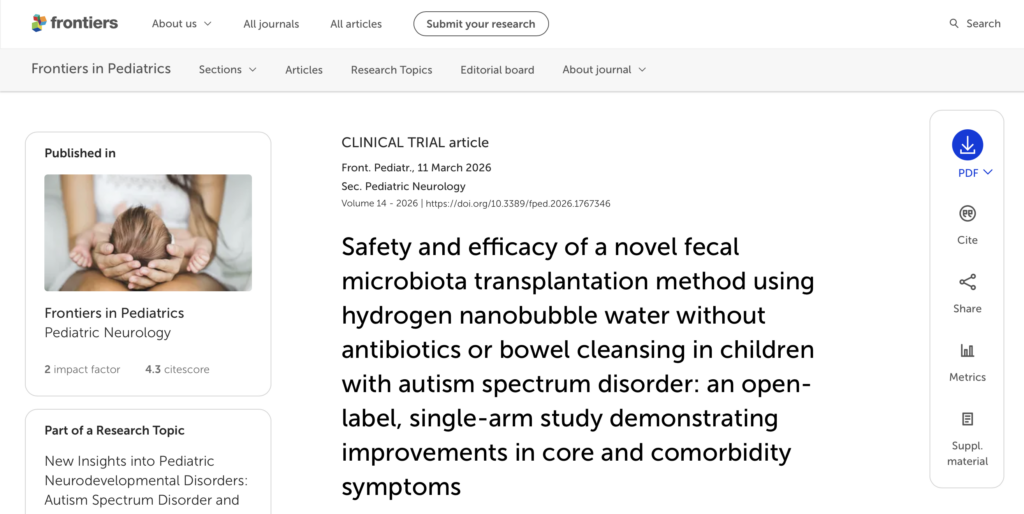
In fact, its effectiveness has been confirmed in treating loss of appetite, chronic diarrhea, and skin diseases.
実際に、食欲不振、慢性下痢、皮膚疾患などで効果が確認されています。
Case reports and practical examples of these latest treatment options will be presented by Dr. Yoshio Toyofuku at the 9th Academic Conference of the Intestinal Flora Transplantation Clinical Research Society, to be held in September 2025.
This lecture will be a highly beneficial opportunity for medical professionals and researchers to learn firsthand about the latest evidence and treatment strategies from those at the forefront of pet and intestinal flora transplantation.
This event was successfully concluded with the participation of many attendees.
We are currently accepting applications for [Archive Streaming].
For those who were unable to attend on the day, please take this opportunity to view the latest insights.
The 9th Academic Conference of the Intestinal Flora Transplantation Clinical Research Group brings together presentations on the latest in FMT (intestinal flora transplantation).
This is the perfect opportunity to learn more about the relationship between your pet’s intestines and their health, and to gain knowledge that will help you maintain the health of yourself and your family.
For details of Professor Toyofuku Yoshio’s lecture, please click here.
References
- Balouei F, de Rivera C, Paradis A, et al. Gut microbiota variation in aging dogs with osteoarthritis. Animals (Basel). 2025;15(11):1619. doi:10.3390/ani15111619
- Palmqvist H, Ringmark S, Höglund K, et al. Effects of rye inclusion in dog food on fecal microbiota and short-chain fatty acids. BMC Vet Res. 2023;19:70. doi:10.1186/s12917-023-03623-2
- An J-U, Mun S-H, Kim W-H, et al. Dynamics of the canine gut microbiota of a military dog birth cohort. Front Microbiol. 2025;16:1481567. doi:10.3389/fmicb.2025.1481567
- Garrigues Q, Apper E, Rodiles A, et al. Composition and evolution of the gut microbiota of growing puppies is impacted by their birth weight. Sci Rep. 2023;13:14717. doi:10.1038/s41598-023-41422-9
- Marshall-Jones Z V, Patel K V, Castillo-Fernandez J, et al. Conserved signatures of the canine faecal microbiome are associated with metronidazole treatment and recovery. Sci Rep. 2024;14(1):5277. doi:10.1038/s41598-024-51338-7
- Tate D E, Tanprasertsuk J, Jones R B, et al. A randomized controlled trial to evaluate the impact of a novel probiotic and nutraceutical supplement on pruritic dermatitis and the gut microbiota in privately owned dogs. Animals (Basel). 2024;14(3):453. doi:10.3390/ani14030453
- Patel K V, Hunt A B G, Castillo-Fernandez J, et al. Impact of acute stress on the canine gut microbiota. Sci Rep. 2024;14:18897. doi:10.1038/s41598-024-66652-3
- Yang K, Lin X, Jian S, et al. Changes in gut microbiota and short-chain fatty acids are involved in the process of canine obesity after neutering. J Anim Sci. 2023;101:skad283. doi:10.1093/jas/skad283
- Pérez-Accino J, Salavati M, Glendinning L, Salavati Schmitz S. Effect of a single rectal fecal microbiota transplantation on clinical severity and fecal microbial communities in dogs with chronic inflammatory enteropathy. J Vet Intern Med. 2025;39(1):e17264. doi:10.1111/jvim.17264
Supervisor: Dr. Hideaki Shima, Ph.D. in Agriculture (Symbiotics Co., Ltd.)
Release date: June 20, 2025
Update date: October 15, 2025