

How do gut flora transplants affect autism spectrum disorders?
Y’S PARENTS HAPPENED TO LEARN ABOUT INTESTINAL FLORA TRANSPLANTATION, AND AFTER RESEARCHING AND EXAMINING DOMESTIC AND INTERNATIONAL INTESTINAL FLORA TRANSPLANTATION RESULTS, THEY DECIDED TO PROCEED WITH THE TRANSPLANTATION. WE ASKED THEM ABOUT THE CHANGES THEY SAW IN THEIR SON BEFORE AND AFTER THE TRANSPLANT.
[Profile]
7-year-old boy
Y-kun
Disease name: Autism Spectrum Disorder
Number of transplants:
April 11 – May 16, 2020 Course of 6 transplants
September 19 – October 3, 2020 3 additional transplants
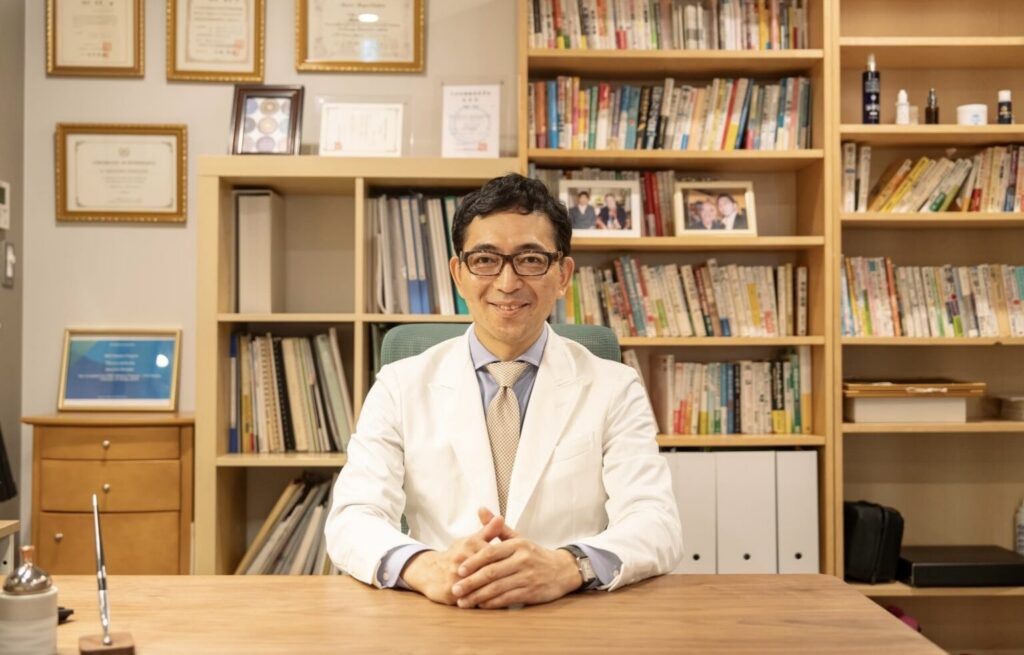
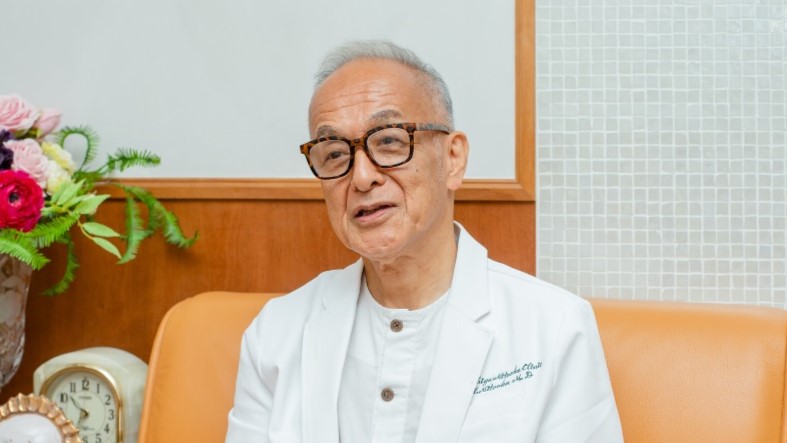
Transplant attending physician: Kitamura Clinic
(Click here for a list of Kitamura Clinic articles)
Post-transplant diagnosis: mild improvement of symptoms
Q1. WHAT SYMPTOMS DID YOU SUFFER FROM BEFORE RECEIVING THE INTESTINAL FLORA TRANSPLANT?
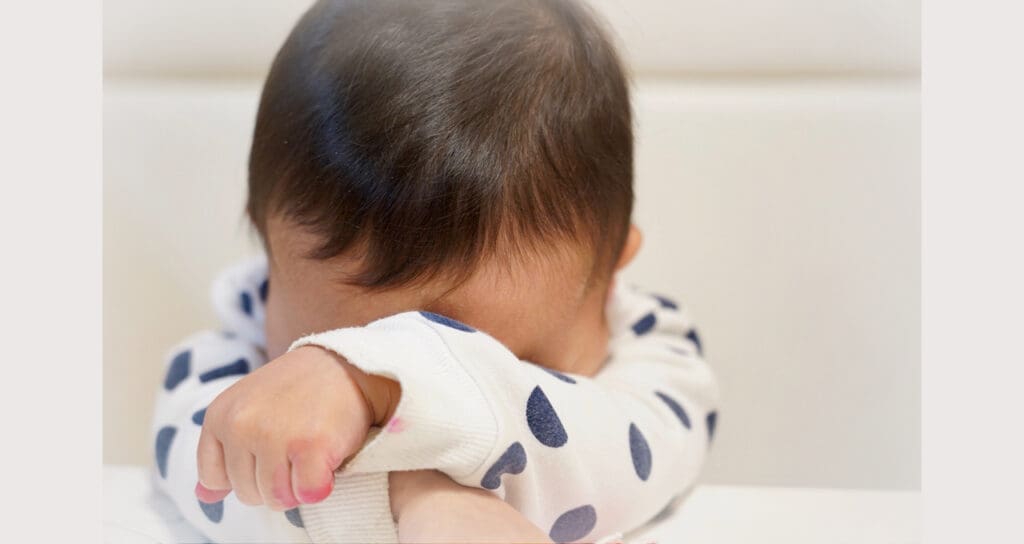
When he was a baby, my son literally cried like he was on fire. It took a lot of trial and error to get him to stop crying, but crying takes a lot of energy, and I think it must have been hard on him.
My son, now a toddler, had “eye contact”.
Although I did not notice it at the time because I did not compare him with other children, he also had slow speech, violent tantrums, and constant behavior that repeated the same actions endlessly.
The usual behaviors were opening and closing locks, keeping water running, and spinning a cell phone that was no longer in use on a flat surface.
He tends to throw tantrums when we don’t let him watch TV, for example. It was hard on us to soothe him, but I think it was harder on my son, who could not control his emotions or stop his outbursts.
After my son received a severe diagnosis of autism spectrum disorder and I learned that the underlying treatment was difficult, I practiced cognitive-behavioral therapy with the hope that even a small improvement would be possible at …….
Q2. WHAT WERE THE DECIDING FACTORS IN YOUR DECISION TO HAVE A TRANSPLANT?
The hardest part is my son. If there is an option that can alleviate some of that pain, I’ll have a transplant.
After hitting on various information, I came to this conclusion.
OF COURSE, I DIDN’T HAVE AN IMMEDIATE ANSWER; I READ THROUGH A LOT OF INFORMATION FROM THE TIME I LEARNED ABOUT THE IMPORTANCE OF INTESTINAL FLORA FROM THE NHK SPECIAL UNTIL I MADE UP MY MIND.
I LEARNED ABOUT THE CONNECTION BETWEEN INTESTINAL FLORA TRANSPLANTATION AND AUTISM SPECTRUM DISORDER WHEN I WATCHED A PROGRAM THAT FOLLOWED THE RECOVERY OF AN ULCERATIVE COLITIS PATIENT AROUND THE END OF 2019, AFTER THE NHK SPECIAL. I WAS SURPRISED BY THE NARRATION, “IT HAS BEEN REPORTED TO BE EFFECTIVE FOR AUTISM OVERSEAS,” AND FROM THERE I BEGAN RESEARCHING INTESTINAL FLORA TRANSPLANTATION.
I found a lot of information when I looked for it, including a report from All About Science Japan, a non-profit organization.
One of the most informative results came from a study conducted at Arizona State University in the United States. When 18 children with autism spectrum disorder were treated with a combination of intestinal bacteria transplantation, 83% of the children had severe symptoms before the treatment, but after two years, the percentage had decreased to 17%.
Thus, although we were almost convinced of the positive impact of intestinal flora transplantation on autism spectrum disorder, the intestinal flora transplantation introduced on TV was still in the clinical research stage.
After further research to see if there was a way to receive transplants in general, I found the Intestinal Flora Transplantation Clinical Study Group. I read their website from cover to cover, knowing that they had experience with transplants for patients with autism spectrum disorder.
I found an article on the study group’s page that said that the younger the age, the better the results tend to be. I was torn between the feeling that the earlier the better and the need to make a careful decision considering the amount of money it would cost, and read the information I had gathered over and over again.
What we came to the conclusion was, “It is my son who has the hardest time. If there is an option to ease his pain, let’s take it.
Q3. WHAT CHANGES DID YOU FEEL IN YOUR BODY AFTER THE TRANSPLANT?
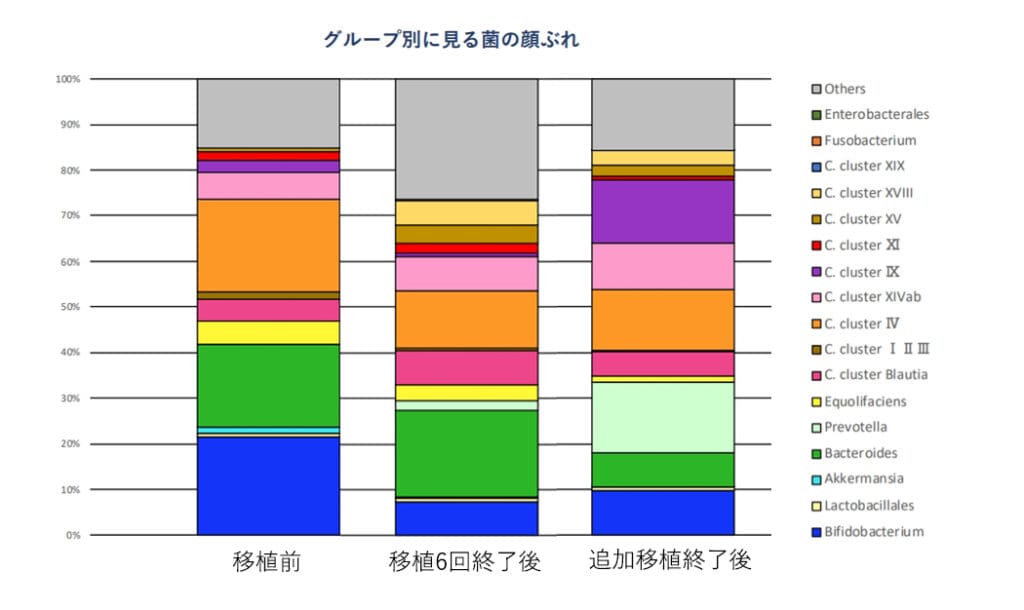
She underwent a course of 6 transplants starting in April 2020, and then a subsequent flora balance check showed no change in inflammatory factors, so she underwent 3 additional transplants.
About a year after the last transplant, the severe tantrums have ceased. Changes are occurring in the positive direction, such as the ability to sit for longer periods of time and a decrease in obsession.
As for language, although conversation is difficult, the number of words he speaks has increased and his comprehension has improved. As part of cognitive-behavioral therapy, we show pictures and ask, “Who is doing what now?” he is able to answer, albeit in a stuttering manner.
He still engages in the same behaviors and often plays with the hem of the front of his clothes, lifting them up and down to turn over the toys he has put inside, and writing the same numbers. He also shows us pictures of food and asks us to imitate eating it.
Finally.

Our hope is that our son will be able to find a job and live on his own in the future.
To achieve this, we believe it is important to regularly check the flora balance, to determine if additional transplants are necessary based on this information, and to maintain a lifestyle that maintains the improved intestinal environment.
I am now feeding my son seaweed, mozuku seaweed, and lactobacillus fermented extract in an ingenious way, but I feel that I must continue to do so by trial and error.
▼Flora balance test results