



Mr./Ms. I and their family, who have been struggling with autism spectrum disorder accompanied by severe intellectual disability.
Communication through language is difficult, and due to strong fixations and sensitive skin, they face many challenges in daily life. Even when taking medication or playing, conventional methods don’t work, and caregivers have struggled to find appropriate responses.
We spoke with Mr. I’s family about what happened before the gut flora transplant and the changes that occurred afterward.
【Profile】
Patient: I
Diagnosis: Autism Spectrum Disorder with Intellectual Disability
Treatment Period: June 14, 2021 – September 6, 2021
Treatment Course: 6 sessions
Primary Physician: Koide Clinic
Transplant Physician: Tanaka Clinic, Medical Corporation Jinzankai
Post-Treatment Diagnosis: Improvement in symptoms
Q1. What symptoms did you suffer from before receiving the intestinal flora transplant?
My child, now in their late twenties, has autism spectrum disorder with severe intellectual disability.
They cannot speak, and their ability to understand nonverbal communication is also limited, making communication difficult. Their understanding of meaning, interpretation, and senses also seem different. Their skin is sensitive; they dislike even the slightest touch of a tag or a single band-aid and will pull them off.
He’s also very stubborn, and when he fixates on something and gets worked up, he becomes impossible to handle. Trying to give him medicine was no easy task—he couldn’t even swallow pills normally. Even when we managed to get him to take them, we couldn’t feel any effect. That’s how things were.
I had little interest in toys or characters that children typically enjoy, instead playing almost exclusively with sensory materials. I engaged in behaviors that generally wouldn’t be considered play, such as obsessively tearing paper or rolling up tissue paper, applying saliva, and throwing it. I would tear up all paper items, and frequently exhibited actions like biting off pieces of things.
Q2. WHAT WERE THE DECIDING FACTORS IN YOUR DECISION TO HAVE A TRANSPLANT?
The immediate catalyst was that my primary care physician was enthusiastic about dietary and nutritional therapy. As an extension of this, I learned about the importance of gut flora and was advised that gut flora transplantation could be effective.
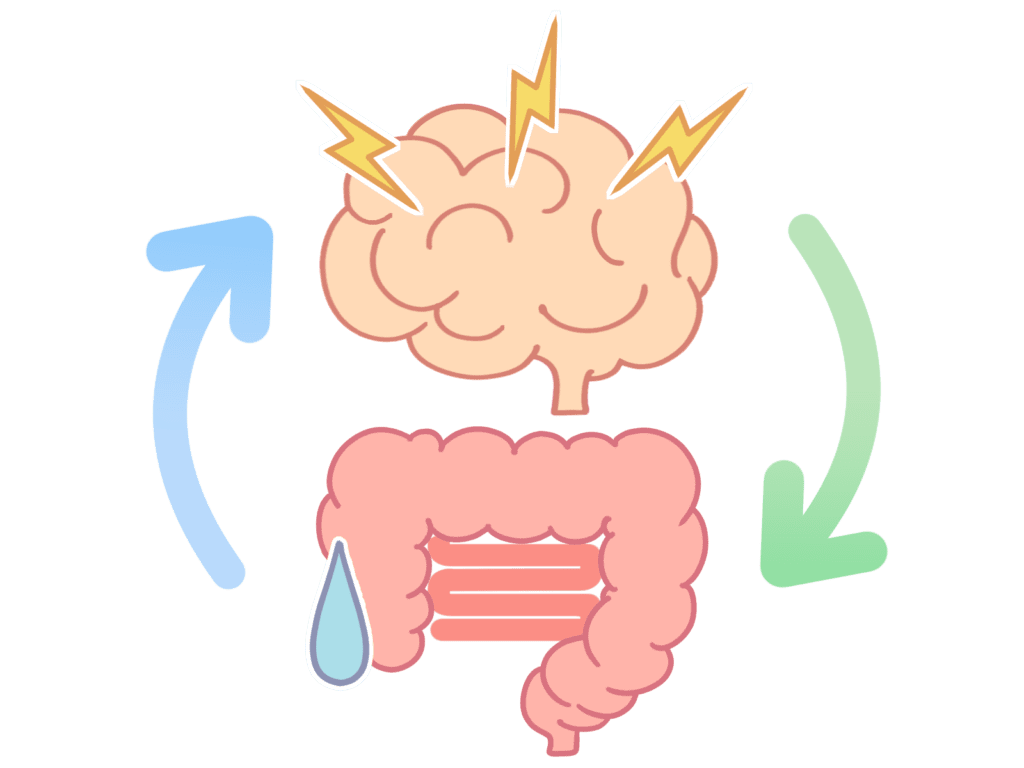
I had known about fecal microbiota transplantation itself for quite some time, having seen it on a TV program long ago. It featured cases where infections caused by Clostridioides difficile improved, and even then I vaguely thought that such treatment approaches might emerge for autism spectrum disorder. The brain-gut axis (the concept that the brain and gut, both vital organs, influence each other) was also generally known.
From what I’ve researched online, there are cases where people in the US received transplants and saw results within a year. Learning that this fecal microbiota transplantation is available in Osaka, and that combining it with nutritional therapy could yield promising results, made me decide to go for it.
“Since my skin is sensitive, I thought she might resist and struggle if I tried an enema,” but I was told the transplant could be done while she was under general anesthesia. Since she tolerates injections and blood draws fine, we’ve always done the transplants under intravenous sedation.
Rachel Carson once said, “Man is part of nature,” and I believe that to be true. We understand that ecosystems exist within our bodies, and humans coexist with microorganisms.
While the details of the gut microbiota remain unclear, the brain-gut connection appears to be a fact. I speculate that a lack of diversity in the gut microbiota may manifest as symptoms of autism spectrum disorder.
Q3. WHAT CHANGES DID YOU FEEL IN YOUR BODY AFTER THE TRANSPLANT?
Perhaps because I was an adult, there was hardly any change at first. However, Dr. Tanaka, who performed the transplant, mentioned that the balance of my gut flora had changed significantly. Even if it wasn’t quite an improvement in symptoms, I thought changes were happening. Then, about six months after the third transplant, gradual changes began to appear.
Parents tend to look for the positive aspects, so their perspective is subjective. While others might see things differently, he started playing with toys like LEGO sets he’d never shown any interest in before. That was one big surprise. He also seems calmer mentally. He spends more time smiling and in a good mood. He still has his fixations, but the frequency of extreme panic episodes has decreased.
Q4. Have you taken any steps during or after the transplant?
Dr. Tanaka advised me that to help the transplanted bacteria colonize my gut, I should continue dietary and nutritional therapy after the transplant.
I make sure to take protein supplements daily to replenish essential proteins for the body, along with B vitamins. I also take minerals like zinc and iron occasionally when recommended. Lately, I’ve been drinking green juice regularly. I consciously try to eat more vegetables and fermented foods. I buy unrefined items whenever possible, like rice that’s only partially milled. As I’ve done this, my diet has improved, and I’ve become less picky. I can eat just about anything now, including meat and seafood, which I hardly ate before.
On weekends, I grow vegetables with my children at a natural farming field. We eat both the vegetables we grow ourselves and plenty more that we buy at the farmers’ market.
I once read a book about farming that mentioned how the gut environment is similar to soil preparation. Since humans are part of nature, perhaps we possess the same mechanisms within our bodies. There’s a sense that the field represents the external nature, while the gut flora represents the internal nature. Therefore, I think that by nurturing the gut flora and spending time in nature, it might have a positive influence on children.

Q5. Finally
Transplantation and dietary therapy won’t last unless you take the initiative yourself. Rather than doing it “because the doctor told you to,” gather information until you’re satisfied, think it through, and choose transplantation as one way to live.
Personally, I’d like to know what to do after completing six rounds of IVF. Essentially, I want to understand how many cycles I should continue. After finishing one cycle, should I keep going if there’s still room for improvement, or should I take a break? What specific balance should I aim for? I want to do everything I can for my child, so I’d appreciate guidance on these matters too.
Communication with the research group office was primarily online, so I often wished we could have more face-to-face consultation time. Many aspects of autism spectrum disorder symptoms and changes are difficult to grasp through written expression alone.
I’ve said a lot, but I sincerely thank the research group for recognizing the importance of gut flora and taking action to promote symbiosis with healthy bacteria. This is because I believe gut flora transplantation and dietary therapy are not misguided approaches for autism spectrum disorder. However, in practice, if disability medical care applies, the patient’s out-of-pocket cost is capped at 500 yen. Being accustomed to this, the cost of transplantation being entirely out-of-pocket feels burdensome. Currently, access to transplantation is limited. To broaden its reach, I hope research continues and that information is disseminated to more people through academic conferences, study groups, and opportunities for patients to connect.
Important Notes Regarding Testimonials
- This article is based solely on the personal experiences of patients and their families and does not guarantee the effectiveness or course of treatment.
- The progression of symptoms, response to treatment, and degree of recovery vary from person to person, and not all patients will achieve the same results.
- When selecting or implementing a treatment method, be sure to consult thoroughly with your primary physician or specialist. Make your decision after comprehensively considering your own medical condition, constitution, lifestyle, and other factors.
- The treatment details described in this article (transplant method, course, duration, cost, etc.) are specific to a particular patient’s case and may not apply identically to all medical institutions or situations.
- This testimonial is published at the request of the patient and their family, with care taken to ensure individuals cannot be identified.