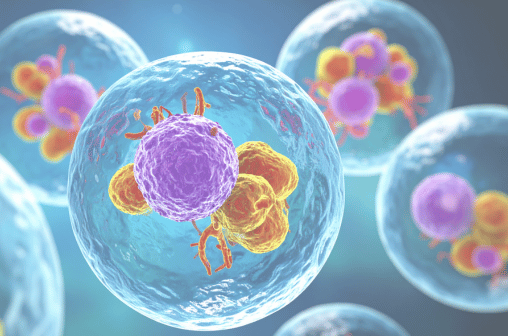


Intestinal bacteria have a significant impact on our health. A diverse range of bacteria live in the intestines, and their normal functioning supports digestion and immune function. However, if the balance of intestinal bacteria is disrupted due to stress or an irregular diet, abnormal fermentation can occur. An imbalance in the intestinal environment can also lead to a weakened immune system and an increased risk of infection, so caution is required.
What are gut bacteria?
Gut bacteria refer to the microorganisms that primarily inhabit the intestinal tract. Approximately 100 trillion bacteria live in the human intestine, representing over 1,000 different species. These bacteria are classified as either good or bad bacteria and play an important role in maintaining intestinal health.
Gut bacteria are essential to our bodies, aiding in food digestion, nutrient absorption, and supporting immune function. Furthermore, beneficial substances such as vitamins and short-chain fatty acids are produced through the fermentation process in the intestines, which contribute to overall health.
However, an imbalance in gut bacteria can cause indigestion and discomfort, so it’s important to maintain a healthy diet and maintain a healthy intestinal environment.
Types of intestinal bacteria
Intestinal bacteria can be broadly divided into three types: good, bad, and opportunistic.
Good bacteria play a necessary role in maintaining a healthy intestinal environment. Typical examples include Lactobacillus and Bifidobacterium, which aid digestion and promote the excretion of harmful substances. They also contribute to improved immune function, making them essential for maintaining good health.
Bad bacteria tend to proliferate when the intestinal environment is disrupted, and examples include E. coli and Clostridium perfringens. These produce harmful substances and impair intestinal function, so it is best to suppress them as much as possible.
Finally, opportunistic bacteria are bacteria whose properties change depending on the ratio of good to bad bacteria. They can have either beneficial or adverse effects depending on the situation, so a balanced intestinal environment is important.
What is abnormal fermentation?
Normally, intestinal bacteria play a role in digesting food and absorbing necessary nutrients. However, when the balance in the intestines is disrupted, certain bacteria can overgrow, causing abnormal fermentation and producing harmful gases and toxins.
Definition of abnormal fermentation
異常発酵の定義とは、腸内で食物が通常の消化プロセスを経ずに、特定の細菌によって過剰に発酵される状態を指します。健康な腸内環境では、バランスの取れた腸内細菌が働き、食物を効率よく分解します。しかし、ストレスや不適切な食生活が要因となり、腸内細菌のバランスが崩れると、特定の悪玉菌が優勢になり、異常発酵を引き起こすことがあります。
異常発酵は、腸内でガスや毒素を製造することにつながり、腹部の膨張感や痛み、さらには便秘や下痢といった消化不良の症状を引き起こします。また、腸内環境の乱れは、免疫力の低下や感染症のリスクを高める原因ともなり得ます。
このように、異常発酵は私たちの健康に影響を及ぼす重要な要素です。日常的な生活習慣の見直しを行うことで、腸内環境を整え、異常発酵を防ぐ努力が必要とされます。
Causes of abnormal fermentation
There are many causes of abnormal fermentation, but the main factors include poor diet, stress, and an imbalance of intestinal bacteria. In particular, consuming too many processed foods, sweets, and fatty foods can make it easier for certain bad bacteria to grow in the intestines.
Furthermore, a lack of dietary fiber reduces the number of good bacteria in the intestines, causing abnormal fermentation. This can lead to poor digestion in the intestines and the production of harmful substances.
Stress is also a factor that cannot be ignored. Mental stress can affect intestinal function, resulting in an imbalance of intestinal bacteria. Identifying and improving these factors in daily life is important to prevent abnormal fermentation.
The relationship between intestinal bacteria and abnormal fermentation
Intestinal bacteria play an important role in the digestive process and are essential for maintaining a healthy intestinal environment. However, abnormal fermentation can lead to the production of gas and harmful substances in the intestines, which can irritate the intestinal wall and cause various disorders. Symptoms can include abdominal bloating, indigestion, and even a weakened immune system.
Mechanism of abnormal intestinal bacterial fermentation
Dysbiotic fermentation is a multi-step process caused by an imbalance in the intestinal bacteria. First, dietary fiber and carbohydrates ingested through food reach the intestines, but poor digestion or excessive growth of intestinal bacteria prevents these components from being broken down properly.
Next, when harmful bacteria proliferate, they promote fermentation, which can convert nutrients that would otherwise contribute to health into harmful substances. This stage results in the production of gas and toxins, causing abdominal bloating and discomfort.
Furthermore, the compounds produced by this abnormal fermentation irritate the intestinal wall, increasing intestinal permeability, which can allow harmful substances to enter the body and lead to further health problems.
Symptoms and effects of abnormal fermentation
Abnormal fermentation can cause a variety of symptoms in the intestines. In particular, increased gas production often leads to abdominal bloating and pain. These symptoms can be extremely unpleasant and can affect daily life, such as the anxiety of constantly having to find a toilet.
In addition, toxic substances produced by abnormal fermentation can be absorbed into the bloodstream, which can have a negative impact on overall health. This can lead to general ailments such as headaches, fatigue, and difficulty concentrating.
Furthermore, an impaired intestinal environment can lead to a weakened immune system, increasing the risk of infections that are not a problem when you are healthy.
Diagnostic methods for abnormal intestinal bacterial fermentation
There are several ways to diagnose abnormal intestinal bacterial fermentation. After a medical interview at a medical institution, stool tests, breath tests, oral tests, and blood tests will be performed.
Inspection method
There are several testing options for diagnosing abnormal intestinal bacterial fermentation. First, stool tests can be used to determine the type and proportion of intestinal bacteria in stool samples to understand the extent of abnormal fermentation. The balance between beneficial bacteria, known as probiotics, and harmful bacteria is a particularly important indicator.
Next, there are breath tests. This method analyzes gases produced during the fermentation process in the intestines. Detection of certain gases above a certain level indicates abnormal intestinal fermentation. In clinical practice, these test results must be comprehensively assessed and appropriate treatment implemented.
And finally, oral tests are used to determine how the condition of the intestines is manifested in the mouth. For example, the condition of tongue coating, bad breath, and the presence or absence of periodontal disease may be related to abnormal intestinal fermentation. In recent years, research has been conducted to examine correlations between the intestinal environment and oral microbiome analysis.
Finally, blood tests are also effective. Examining markers related to intestinal inflammation and infection can provide a comprehensive picture of health. Through these tests, we can gain a detailed understanding of the intestinal environment and provide appropriate treatment and lifestyle improvements.
Diagnosis flow
The process for diagnosing abnormal intestinal bacterial fermentation is usually divided into several steps. Below is a list of the time required for each step and the time it takes to get results:
Stool testing
- Time required (patient side): The collection itself takes just a few minutes
- Test results: Approximately 1-3 business days (depending on the test)
- Note: Generally, samples are collected at home and then submitted to a medical institution, with same-day results being rare.
Oral examination
- Time required: Approximately 10 to 15 minutes
- Contents: Visual examination of the oral cavity, checking tongue coating and periodontal condition, taking saliva and mucous membrane samples as needed
- Note: Findings are often communicated on the spot, making it more of a “consultation” than an examination.
Breath test (measuring hydrogen and methane gas for SIBO, etc.)
- Duration: Approximately 1.5 to 3 hours
- Contents: Fasting before the test → Sugar intake → Breath sampling every 15 to 30 minutes
- Note: You will need to wait in the hospital during the test. This is a test that requires multiple samples to be taken over a long period of time.
Blood tests
- Time required (blood collection): Approximately 5 to 10 minutes
- Results available: Same day (simple test) to several days (outsourced test for detailed items)
- Note: Inflammatory markers such as CRP and white blood cell count, and nutritional indicators such as B vitamins are often targeted.
Treatment for abnormal fermentation
The treatment for abnormal fermentation mainly focuses on improving the intestinal environment.
Treatment options
There are several options for treating abnormal fermentation. First, dietary therapy is the foundation. To cultivate intestinal flora, it is recommended to consciously consume fermented foods and ingredients high in dietary fiber. This is expected to increase the number of beneficial bacteria in the intestines and improve abnormal fermentation.
Next, you can consider using supplements. Probiotics and prebiotics are effective ingredients for improving the intestinal environment. It is important to consult a specialist when choosing a product that is right for you.
You should also consider medical treatment. The state of your intestinal bacteria will be examined in detail, and you can receive drug treatment or counseling as needed. It is important to find the optimal treatment for your condition.
Lifestyle prevention
Lifestyle habits have a significant impact on the intestinal environment. By maintaining a regular lifestyle, you can help balance the intestinal bacteria.
The importance of exercise
Exercise is a very important factor in maintaining a good intestinal environment. Even just a few minutes of moderate exercise can stimulate bowel movements and improve digestive function. Physical activity improves blood flow and promotes intestinal function, which can help relieve constipation and abdominal discomfort.
Even busy working people can do this! Here are some intestinal exercises that can be done in 5 to 10 minutes.
- Walking in Place (or Up and Down the Stairs)
Your gut will be pleased if you skip the elevator and take the stairs. Raise your knees high and walk rhythmically. - Abdominal Breathing + Twist Exercise: You can do this secretly at your desk! Simply straighten your back, take a deep breath, and slowly twist your waist from side to side. It also has the effect of massaging your internal organs.
- Chair squats (pretending to sit on a chair)
Using an office chair, slowly sit and stand 10 times. This strengthens your thighs and abdominal muscles, stimulating your intestines. - Heel Raises (Increases Blood Flow)
While waiting for a copy machine or a train, slowly raise and lower your heels to stimulate your calves. This also increases blood flow to your intestines! - Stretching before bed (nighttime intestinal health): Lie on your back and pull both knees toward your chest in the “gas-releasing pose.” This will help get the gas moving in your intestines.
As you can see, exercise is an important factor that has a positive effect on the intestinal environment. To maintain a healthy intestinal environment, we encourage you to consciously incorporate exercise into your routine.
Stress management
Stress management is extremely important for maintaining a healthy intestinal environment. When you are under stress, your body secretes various hormones, which can slow down intestinal movement. This can lead to problems like indigestion and constipation, and can also lead to an imbalance in your intestinal bacteria.
To reduce stress, it’s important to first find your own relaxation method. For example, deep breathing, meditation, and yoga can have a calming effect on the mind. Taking time for a hobby can also help you forget about everyday stress and create more peace of mind.
Communicating with friends and family is also effective. Talking to someone allows you to share your feelings and reduce stress. Regular exercise is also an effective way to relieve stress. Light jogging or walking can help maintain physical and mental health.
Food to improve your intestinal environment
To improve your intestinal environment, it is important to incorporate nutritious foods that allow your intestinal bacteria to function actively. In particular, consciously consuming dietary fiber and fermented foods can help increase the number of good bacteria.
For example, the following are examples of foods that improve your intestinal environment and foods that do not.
A: Food that improves the intestinal environment
- Breakfast: Natto rice, wakame seaweed and tofu miso soup, 1 kiwi
- Lunch: Brown rice with glutinous barley + grilled salmon + broccoli with sesame dressing
- Dinner: Braised chicken breast and cabbage + tomato bean soup + stewed black beans + yogurt
B: A diet that does not improve the intestinal environment
- Breakfast: Convenience store sandwich + canned coffee
- Lunch: Fried food set meal or rice bowl set meal
- Dinner: Pasta + sweets + beer
Recommended foods
Here are some recommended foods for improving your intestinal environment. First, pickled vegetables. Vegetables fermented in a rice bran bed contain plant-based lactic acid bacteria, and simply adding one to your daily meals will help support the balance of beneficial bacteria in your intestines. Kimchi is also recommended. Kimchi, a fermented food, is rich not only in lactic acid bacteria but also in dietary fiber and vitamins, and has the effect of improving your intestinal environment in many ways.
Next, among vegetables rich in dietary fiber, burdock and molokheiya are considered particularly good. These absorb water in the intestines, swell, and promote peristalsis. Perilla is also a good choice. Perilla contains omega-3 fatty acids, which suppress inflammation in the intestines and also contains insoluble dietary fiber that has a bowel-regulating effect.
Among fruits, prunes and figs are especially recommended. Prunes are naturally sweet and contain plenty of dietary fiber and sorbitol, which helps with bowel movements. Figs contain soluble fiber that is easily fermented in the intestines, which helps increase the number of good bacteria in the intestines.
On the other hand, the following foods (other than yogurt, natto, and bananas) that can be easily purchased at convenience stores and help improve your intestinal environment are as follows.
- Mochibarley Onigiri (Rice Balls with Sticky Barley)
→ Packed with dietary fiber, it supports bowel movement better than white rice. It’s delicious even when chilled, and its sugar absorption is slow. - Chicken Salad + Seaweed Salad (dressing included)
→ High-protein, easily digestible chicken and rich in soluble fiber, seaweed, create the perfect combination to keep you feeling refreshed. - Baked sweet potatoes (cut or whole)
-> Surprisingly rich in resistant starch, they boost the beneficial bacteria in your gut, making you feel energized. - Dried plums (sugar-free)
→ Stimulates bowel movements. Dietary fiber and citric acid promote bowel regulation and fatigue recovery. However, be careful of the salt content. - Mixed nuts (unsalted, roasted)
By incorporating these foods into your daily routine, you can aim for a healthy intestinal environment from the inside out.
Foods to avoid
To improve your intestinal environment, it’s important to pay attention to the foods you should avoid. First, avoid processed foods and fast food. These foods contain a lot of sugar and additives, which can disrupt the balance of intestinal bacteria.
Next, it’s important to avoid foods that contain excessive fat, as they put a strain on the intestines. Foods containing trans fatty acids, in particular, can have a negative impact on intestinal bacteria. Try to limit your intake of fried foods and junk food as much as possible.
Furthermore, be careful with sugary drinks and sweets, as they can also worsen your intestinal environment. Sugar can increase the number of bad bacteria, causing intestinal problems.
To protect your intestinal environment, it’s important to avoid these foods and instead eat a nutritionally balanced diet. Eat a healthy diet to keep your intestines healthy.
Summary
It has been found that intestinal bacteria have a significant impact on health. When the balance of microorganisms in the intestines is disrupted, abnormal fermentation can occur, leading to a variety of health problems.
In particular, it is clear that the harmful gases and toxins produced by abnormal fermentation further deteriorate the intestinal environment and have a negative impact on overall health. To prevent this from happening, it is necessary to make efforts to balance the intestinal bacteria in your daily life.
Specifically, it is effective to incorporate fermented foods and consciously consume foods rich in dietary fiber. Maintaining a healthy intestinal environment will prevent abnormal fermentation and help maintain good health. We encourage everyone to try to live a life that is conscious of their intestinal bacteria.
The Gut Flora Transplantation Clinical Research Group has already performed over 690 cases of “gut flora transplantation,” a new procedure that does not require antibiotics and places less strain on patients. We also offer intestinal flora testing to determine your own intestinal flora. If you are interested in the current state of your intestinal flora or in improving your intestinal environment, please feel free to contact your nearest clinic.
References
- Dominguez-Bello MG, Costello EK, Contreras M, et al. Delivery mode shapes the acquisition and structure of the initial microbiota across multiple body habitats in newborns. Proc Natl Acad Sci U S A. 2010;107(26):11971-11975. doi:10.1073/pnas.1002601107
- Ichinohe T, Pang IK, Kumamoto Y, et al. Microbiota regulates immune defense against respiratory tract influenza A virus infection. Proc Natl Acad Sci U S A. 2011;108(13):5354-5359. doi:10.1073/pnas.1019378108
- Haderstorfer B, Psycholgin D, Whitehead WE, Schuster MM. Intestinal gas production from bacterial fermentation of undigested carbohydrate in irritable bowel syndrome. Am J Gastroenterol. 1989;84(5):375-378.
- David LA, Maurice CF, Carmody RN, et al. Diet rapidly and reproducibly alters the human gut microbiome. Nature. 2014;505(7484):559-563. doi:10.1038/nature12820
- Bailey MT, Dowd SE, Galley JD, Hufnagle AR, Allen RG, Lyte M. Exposure to a social stressor alters the structure of the intestinal microbiota: implications for stressor-induced immunomodulation. Brain Behav Immun. 2011;25(3):397-407. doi:10.1016/j.bbi.2010.10.023
- DiBaise JK, Young RJ, Vanderhoof JA. Enteric microbial flora, bacterial overgrowth, and short-bowel syndrome. Clin Gastroenterol Hepatol. 2006;4(1):11-20. doi:10.1016/j.cgh.2005.10.020
- Erdogan A, Rao SS, Gulley D, et al. Small intestinal bacterial overgrowth: duodenal aspiration vs glucose breath test. Neurogastroenterol Motil. 2015;27(4):481-489. doi:10.1111/nmo.12516
- Wastyk HC, Fragiadakis GK, Perelman D, et al. Gut-microbiota-targeted diets modulate human immune status. Cell. 2021;184(16):4137-4153.e14. doi:10.1016/j.cell.2021.06.019
- Clarke SF, Murphy EF, O’Sullivan O, et al. Exercise and associated dietary extremes impact on gut microbial diversity. Gut. 2014;63(12):1913-1920. doi:10.1136/gutjnl-2013-306541
- El-Salhy M, Hatlebakk JG, Gilja OH, et al. Efficacy of faecal microbiota transplantation for patients with irritable bowel syndrome in a randomised, double-blind, placebo-controlled study. Gut. 2020;69(5):859-867. doi:10.1136/gutjnl-2019-319630
- Bao J, Zhang Y, Li L, et al. Periodontitis may induce gut microbiota dysbiosis via salivary microbiota. Int J Oral Sci. 2022;14(1):32. doi:10.1038/s41368-022-00165-7
Supervisor: Dr. Hideaki Shima, Ph.D. in Agriculture (Symbiotics Co., Ltd.)
Release date: June 20, 2025